Professor JD Sauer Elected to American Academy of Microbiology
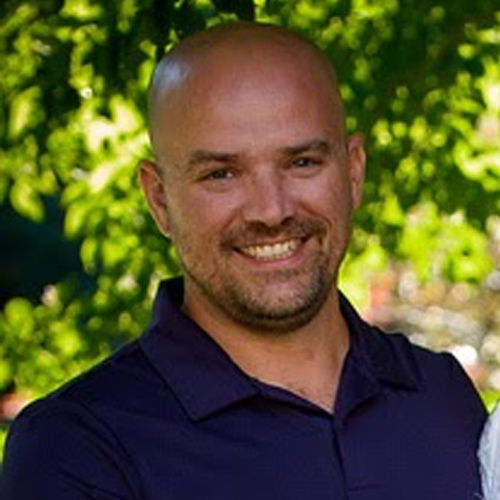
In February 2026, the American Academy of Microbiology announced the election of 63 new Fellows to its Class of 2026. The Academy, an honorific leadership group and scientific think tank within the American Society for Microbiology (ASM), selects Fellows through a highly competitive, peer-reviewed process that recognizes scientific excellence and significant contributions to the microbial sciences.
This year, 145 scientists were nominated from around the world. The 63 elected Fellows represent 14 countries, reflecting the global reach and impact of microbiology research. Over the past 50 years, more than 2,700 distinguished scientists have been elected to the Academy, spanning the full range of microbial science disciplines.
Among the newly elected Fellows is John-Demian (JD) Sauer, Ph.D., of the University of Wisconsin – Madison. Sauer is recognized for his work in bacterial pathogenesis and immunology, which has advanced understanding of interactions between pathogens and the host immune system.
Sauer’s research examines how intracellular bacterial pathogens infect host cells and how the immune system responds to eliminate them. His laboratory uses Listeria monocytogenes, a Gram-positive foodborne pathogen, as a model organism to study bacterial invasion, intracellular survival and immune recognition.
Through genetic approaches in both the pathogen and the host, Sauer and his team have identified bacterial factors required for disease progression as well as host pathways that drive effective immune responses. His work has clarified the role of bacterial central metabolism and cell wall biosynthesis in pathogenesis, mechanisms that regulate innate immune signaling including inflammasome activation, pathways governing type I interferon responses during intracellular infection and processes involved in the development of long-term cell-mediated immunity.
Using transposon mutagenesis and established murine models of listeriosis, the Sauer laboratory has identified bacterial mutants that alter innate immune signaling. These findings have strengthened understanding of immune recognition and contributed to the development of potential immunotherapeutic strategies.
In addition to defining the molecular mechanisms of infection, Sauer’s research explores the use of Listeria monocytogenes as an immunotherapeutic platform. Infection with Listeria can generate durable immune protection, offering opportunities for vaccine development and immune-based therapies.
ASM represents more than 38,000 scientists and health practitioners worldwide and is one of the largest professional organizations dedicated to the life sciences. Through conferences, publications, certifications, advocacy and global laboratory capacity-building efforts, ASM works to promote and advance the microbial sciences.
Election to the American Academy of Microbiology is considered one of the highest honors in the field. For Sauer and his fellow members of the Class of 2026, the recognition reflects sustained scientific achievement and leadership in advancing microbiology.