Two MMI Postdocs Receive Wisconsin Partnership Program Grants
Two postdoctoral researchers affiliated with the Department of Medical Microbiology and Immunology have received 2026 Wisconsin Partnership Program (WPP) Postdoctoral Grants. Guillermo Najarro, PhD, and Marienela Heredia, PhD, are among 15 recipients selected for the program, which supports promising postdoctoral investigators and advances innovative research.
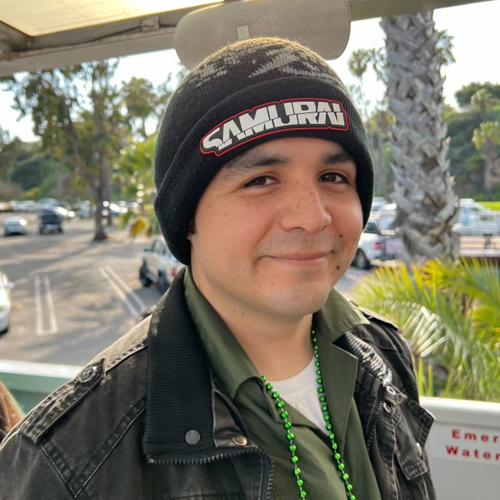
Najarro, a research associate at the Institute for Molecular Virology, received an award for his project, “Defining Caspase-8-mediated Inhibition of cGAS During Oncogenic Gammaherpesvirus Infection.”Under the mentorship of Marta Gaglia, PhD, associate professor in the Department of Medical Microbiology and Immunology, Najarro will investigate how oncogenic gammaherpesviruses interfere with the body’s innate immune defenses.
His research focuses on caspase-8-mediated inhibition of cGAS, a key component of the innate immune system that helps cells detect foreign DNA and initiate antiviral immune responses. Understanding how viral infections interfere with this pathway may offer important insights into virus-host interactions and mechanisms that contribute to virus-associated cancer.
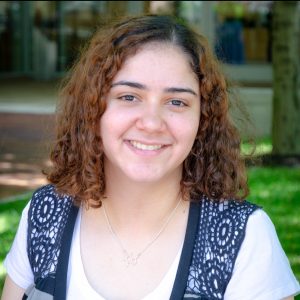
Heredia, a research associate in the Department of Medical Microbiology and Immunology, received an award for her project, “Defining Antibody-driven Mechanisms of Pathogen Clearance in a Murine Model of Infectious Diarrhea.” She will work with her supervising mentor, Gustavo Caballero-Flores, PhD, assistant professor in the Department of Medical Microbiology and Immunology, to investigate how antibodies contribute to pathogen clearance in a mouse model of infectious diarrhea.
Together, the awards highlight the breadth of research taking place within the department, spanning antiviral immunity, virus-associated cancer and antibody-mediated protection against infectious disease.
The Wisconsin Partnership Program is pleased to announce these new awards, which reflect our continued commitment to supporting the next generation of promising SMPH investigators, as well as the remarkable breadth of innovation and discovery underway at SMPH.
The WPP Postdoctoral Grant Program provides career development grants of up to $20,000 over one year to support postdoctoral research, education and professional development at the UW School of Medicine and Public Health. Recipients collaborate with the supervising mentors who nominated them as they conduct research or education projects or pursue professional development opportunities aimed at advancing their careers and improving health in Wisconsin and beyond.
Additional 2026 Postdoctoral Grant Recipients
In addition to Najarro and Heredia, the following investigators received Wisconsin Partnership Program Postdoctoral Grants:
- Tingting Fan, PhD, Department of Pediatrics. Mentor: Ellen Selkie, MD, MPH.
- Laura Ordas, PhD, Department of Human Oncology. Mentor: Quaovi Sodji, MD, PhD.
- Haley Brown, PhD, Department of Biomolecular Chemistry. Mentor: Melissa Harrison, PhD.
- Matias Fabregat, PhD, MSc, Department of Medicine. Mentor: Andrea Galmozzi, PhD.
- Jin Young Yoo, PhD, Department of Oncology. Mentor: Huy Dinh, PhD.
- S.A. Amali S. Subasinghe, PhD, Department of Medical Physics. Mentor: Marty Pagel, PhD.
- Apurva Panjla, PhD, Department of Orthopedics and Rehabilitation. Mentor: William Murphy, PhD.
- Gayatri Puri, PhD, Department of Cell and Regenerative Biology. Mentor: Roméo Blanc, PhD.
- Jie Cai, MD, PhD, Department of Otolaryngology – Head and Neck Surgery. Mentor: Susan Thibeault, PhD, CCC-SLP.
- Huaxia Wang, PhD, Department of Medical Genetics. Mentor: Justin Wolter, PhD.
- Nikunj Mehta, PhD, Department of Neuroscience. Mentor: Edwin Chapman, PhD.
- Brooke Whitfield, PhD, Department of Obstetrics and Gynecology. Mentor: Tiffany Green, PhD.
- Cemre Orhan, PhD, MFA, Department of Medicine. Mentor: Jacqueline Kruser, MD, MS.
The Wisconsin Partnership Program is a grantmaking program within the University of Wisconsin School of Medicine and Public Health committed to improving health for all through investments in community partnerships, education and research initiatives.